Soundscape of a coup d’état-Sound Matters

BY EVRIM HIKMET. This piece was written in the immediate aftermath of the events of July 15th in Turkey. An earlier version of this post was first published in Turkish. We re-publish an edited and translated version here, given the historical significance of these events.

6 Eylül 2016’da Sound Matters‘da yayınlandı.

Evrim Hikmet Öğüt – Soundscape of a coup d’état

Darbenin Sesleri SEM Sound Matters‘da!

Evrim Hikmet Öğüt – Soundscape of a coup d’état

September 6, 2016 4 Comments

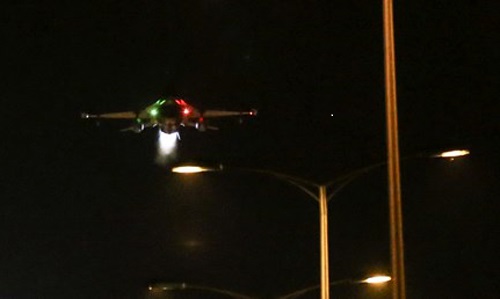
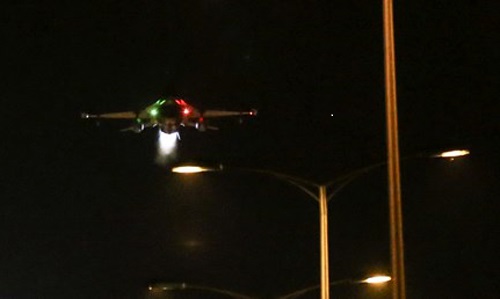
F16 jet istanbul 7-15-2016

F-16 jet flying low over Istanbul, 15 July 2016


Editor’s note: What follows is the author’s translation of an article that appeared on 17 July 2016; the original Turkish version is here.

It was an extraordinary, traumatic 24-hour period. We do not have a full grip on the details of what happened, but it is highly possible that it will result in bringing more authoritarianism and stronger polarization, fear, anxiety, and intervention in the lifestyles of almost half of the people in Turkey, along with many other catastrophes that we fear to think and say aloud.

The oppression of the coup d’état attempt has already turned into a collective and summoned frenzy where attacks on Alevites, Syrian refugees, and people drinking alcohol outside started to occur.

There will undoubtedly be a great number of analyses of 15 July 2016 and its aftermath. My intention is not to add another one to the list; instead, I will strive to describe those 24 hours through their soundscape, which, I believe, presents highly fertile ground for sociological analysis. Some of the sounds I mention below have entered our lives for the first time and in a very striking manner, and we have been constantly talking about sounds for 24 hours whether we realize or not.

Although this time we did not see Hasan Mutlucan on the screen, and the coup did not come with the “sound of combat boots”, what heralded the events to follow was sounds. On the night of 15 July a social media post by a friend in Ankara about F-16 jets flying over the city gave the first hint of something going on. Of course, what enabled her to notice the fighter jets was the loud sound they made: a sound that we, living in the western part of the country, are not used to hearing. After a short while, upon noticing the sound of a helicopter over my apartment in Istanbul, I joined those sharing posts on social media in an attempt to make sense of the commotion outside.

As the night went on and the sounds of the coup become varied with sirens, ambulances, clashes and blasts, these sounds enabled us to learn about what we could not see as well as bringing forth the emotions of surprise, fear, and anxiety. For us, the newest and the most striking one was possibly the explosion-like noise coming from the jets that break the sound barrier—a sonic boom.


Jets and sonic boom


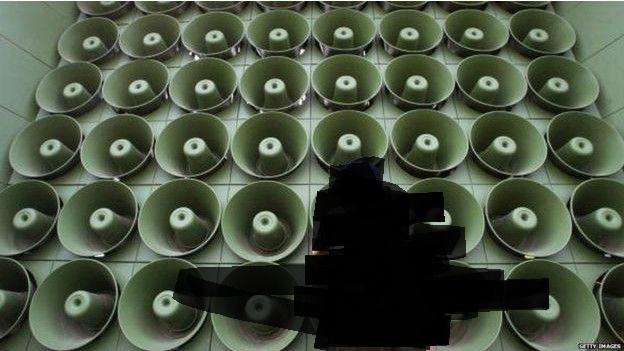
The opposition to the coup did not stay silent during 15 July and its aftermath. The strongest sound against the coup attempt came from mosques. From mosques, which use the ezan (adhan) sound to designate the spatial limits of their community, this time came the sala to invite the citizens to the streets. The sala, which serves to notify the community of an all-concerning event in an Islamic context, was used in line with its purpose, defining the ideological content of the news as well.


Sala and bombs


In addition to the sala, untimely ezans and announcements inviting people to reclaim the motherland, posts indicating the recitation of the fetih sura and other parts of the Quran from different mosques—even a call for jihad from a mosque in Ikitelli—circulated on social media.

While citizens responded to the call by taking to the streets chanting the tekbir and slogans, the oppression of the coup instigators started to be celebrated with honking, the salavat, the Turkish National Anthem and the mehter anthems coming from cars. (Mehter music is an incredibly influential tool for the current government in shaping the space of public struggle.)


Salavat and tekbir


Our conversations, which incessantly continued in both public and private spheres, constitute another auditory aspect of this 24-hour period. That the conversation among children playing in front of my apartment focused on the opposition between the soldier and the police indicates the reach of vocabulary and the world of meaning surrounding the coup.

Sounds/noise play an influential role in creating a space of public struggle and strengthening the hegemony of both the government and the opposition over masses, regardless of their ideological orientation. Sounds are far more effective than verbal expressions in their appeal to the collective memory and ability to reach across wider space. Thus, while reading 15 July through sounds, we should keep in mind that neither the choice of these sounds nor their impact on us is coincidental.

No coup attempt brings democracy. The idea that a coup attempt can be oppressed by public reclamation of democracy, and people’s own willpower, is important. However, the fact that this willpower in the current example is far from a real, all-encompassing discourse of democracy emerges as a startling reality.

If we describe it through sounds, the mehter music and the audioscape of the street protests in the aftermath of 15 July point to a cultural and historical context that is far removed from providing democracy for us (as phrased by by Erdoğan Aydın in the TV program Türkiye’nin gündemi on 16 July). We do not have the option of leaving the demand for democracy to these sounds and giving up the struggle for making ourselves heard. That is, we have to speak up.


Istiklal Avenue on 16 July (includes mehter music)


Evrim Hikmet Öğüt earned the Ph.D. in ethnomusicology at the Centre for Advanced Studies in Music (MIAM) at Intanbul Technical University with the dissertation “Music in transit: Musical practices of the Chaldean-Iraqi migrants in Istanbul”. She currently works as a teacher and research assistant at Mimar Sinan Fine Arts University. Her website is here.

SEM adlı kullanıcının avatarıSound Matters: The SEM Blog

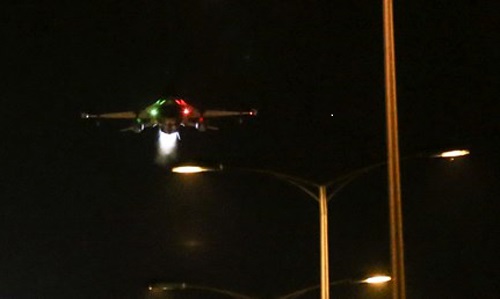
F16 jet istanbul 7-15-2016

F-16 jet flying low over Istanbul, 15 July 2016


Editor’s note: What follows is the author’s translation of an article that appeared on 17 July 2016; the original Turkish version is here.

It was an extraordinary, traumatic 24-hour period. We do not have a full grip on the details of what happened, but it is highly possible that it will result in bringing more authoritarianism and stronger polarization, fear, anxiety, and intervention in the lifestyles of almost half of the people in Turkey, along with many other catastrophes that we fear to think and say aloud.

The oppression of the coup d’état attempt has already turned into a collective and summoned frenzy where attacks on Alevites, Syrian refugees, and people drinking alcohol outside started to occur.

There will undoubtedly be a great number of analyses of 15 July 2016 and its aftermath. My intention is not to add…

View original post 793 kelime daha

Gürültülü Bir 24 Saat ya da Darbenin Sesleri

Post Dergi‘de yayınlandı, 17 Temmuz 2016.

Olağan dışı, sarsıcı bir 24 saat geçirdik. Henüz olup bitenin detaylarına tam olarak hakim değiliz fakat sonuçlarının daha fazla otoriterleşme, daha keskin bir kutuplaşma, ülkenin hemen hemen yarısı için korku, endişe, yaşam biçimlerimize yönelik müdahale ve akla, dile getirmeye çekindiğimiz nice felaketler getirmesi muhtemel.

Darbe girişimi ve bastırılma süreci şimdiden Aleviler, Suriyeli mülteciler ve açık havada içki içen yurttaşlara yönelik saldırıların ortaya çıktığı bir kitlesel ve “çağrılı” cinnete dönüşmüş durumda.

15 Temmuz ve sonrasına ilişkin çok fazla analiz yapılacağı muhakkak. Niyetim bunlara bir diğerini eklemek değil fakat sosyolojik analiz için son derece kullanışlı bir veri kaynağı olduğuna inandığım ses ortamı üzerinden bu 24 saati tarif etmeyi deneyeceğim. Zira aşağıda bahsedeceğim seslerin bir kısmı hayatımıza ilk kez ve çarpıcı biçimde girerken, farkında olalım olmayalım 24 saattir sıklıkla seslerden bahsediyoruz.

Bu kez ekranlarda Hasan Mutlucan boy göstermediyse, darbe “postal seslerini” duyurarak gelmediyse de aslında bazılarımıza olacakları ilk haber veren yine seslerdi: 15 Temmuz akşamı, dışarıda “bir şeyler” olduğunun ilk ipucunu, Ankara’da yaşayan bir arkadaşımın, tepelerinde dolaşıp duran F16’lara ilişkin sosyal medya paylaşımı verdi. Elbette uçakları fark etmesini sağlayan uçakların çıkarttığı güçlü seslerdi; ülkenin Batısında yaşayan bizler için alışkın olmadığımız sesler… Kısa süre sonra, ben de Beşiktaş’taki evimin tepesinde dolaşan bir helikopterin sesini fark ederek dışarıdaki hareketliliği anlamlandırmak üzere sosyal medyada paylaşılan verilere bir yenisini eklemekte gecikmedim.

Gece ilerledikçe darbenin sesleri siren, ambulans, çatışma, patlama, can havliyle kaçışan martı ve köpek sesleriyle çeşitlenirken, bu sesler, görmediğimiz olan bitenden haberdar olmamızı sağlıyor, şaşkınlık, korku ve endişe duygularını beraberinde getiriyordu. Fakat herhalde bizler için en “yeni” ve çarpıcı olanı, ses duvarını aşan jet uçaklarının çıkarttığı patlama benzeri gürültüydü.

15 Temmuz gecesi ve ertesinde darbe karşıtı cephe de sessiz kalmadı. Darbe girişimine yönelik en güçlü ses camilerden yükseldi. Cemaatinin sınırlarını ezan sesinin menziliyle belirleyen camilerden, bu kez “vatandaşları” sokağa çağırmak için sürekli olarak sela verildi. İslami anlam dünyasında cemaati ilgilendiren bir olayı haber vermek için kullanılan sela, haberin ideolojik içeriğini de tanımlayan, amacına uygun bir araç olarak kullanıldı.

Sela, vakitsiz okunan ezanlar ve “vatana sahip çıkmaya” çağıran anonsların yanı sıra, yer yer camilerden özellikle Fetih suresinin ve Kuran’dan başka bölümlerin okunduğu, hatta İkitelli’de bir camiden cihat çağrısı yapıldığı haberleri de sosyal medyada dolaştı.

Çağrıya icabet eden “vatandaşlar” kısa sürede tekbir sesleri ve sloganlar eşliğinde sokağa dökülürken, darbecilerin an be an “püskürtülmesi” geceden başlayarak korna sesleri, salavat, İstiklal Marşı ve araçlardan yükselen mehter marşıyla kutlanmaya başlandı. (i)

Geçirdiğimiz 24 saatin, tüm bunların dışında kalan bir diğer sessel boyutunu ise kamusal ve özel alanda mütemadiyen devam eden konuşmalarımız oluşturuyor. Bugün gün boyunca evimin önünde oyun oynayan çocukların asker-polis karşıtlığı üzerinden sürdürdükleri sohbet, darbe girişimine ilişkin bir sözcük ve anlam evreninin ne kadar geniş kesimlerce kullanıldığına örnek teşkil ediyor.

Toplumsal mücadele alanının kurulmasında ve tarafların ideolojik eğilimleri ne olursa olsun, hem iktidar hem de muhalefetin kitleler üzerinde kendi hegemonyalarını güçlendirmesinde sesler/gürültü son derece etkin bir rol oynuyor. Zira sesler, kolektif belleğe seslenmekte ve geniş bir alanı hızla kat etmekte sözel olandan çok daha etkili. Bu nedenle 15 Temmuz’u sesler üzerinden okurken bu seslerin seçiminin de yarattıkları gürültünün üzerimizdeki etkisinin de rastlantısal olmadığını akılda tutmak gerek.

Hiçbir darbe girişiminin demokrasi getirmeyeceği muhakkak ve “bir darbe girişiminin halkın demokrasiye ve kendi iradesine sahip çıkmasıyla püskürtülmesi” fikri son derece önemli. Ancak yazık ki, yaşadığımız örnekte, bu iradenin gerçekten ve hepimizi kapsayan bir demokrasi söyleminden uzak olduğu şimdiden ürkütücü bir gerçeklik olarak karşımızda duruyor.

Sesler üzerinden tarif edecek olursak, mehter marşlarının ve 15 Temmuz sonrası sokak gösterilerinde öne çıkan ses ortamının bugün bizler için demokrasi getirmesi mümkün olmayan bir kültürel ve tarihsel ortama referans verdiği son derece açık. (ii) Demokrasi talebini bu seslere teslim etmek ve kendi sesimizi duyurma mücadelemizden vazgeçmek gibi bir lüksümüz yok. Öyleyse bizler de kendi sesimizi yükseltmeliyiz.

Notlar:
(i) Bir not olarak, mehter marşı son dönem toplumsal mücadele alanını şekillendirmekte son derece etkili bir ideolojik araç durumunda.
(ii) Erdoğan Aydın’ın 16 Temmuz 2016 tarihli Türkiye’nin Gündemi programında kullandığı bir ifadeye atıfla.

http://postdergi.com/gurultulu-bir-24-saat-ya-da-darbenin-sesleri/